The monastery of San Paio de Antealtares was the first to exist in the city of Santiago, built in the 9th century on the express wishes of Alfonso II of Asturias, who sent twelve Benedictine monks to guard the remains of the Apostle.
Their work was to look after the Apostle’s Altar, liturgical services and attend to the early pilgrims. Two saints were among the abbots: Pedro de Mezonzo and Fagildo. Towards the middle of the 12th century, the initial invocation to St. Peter was transferred to Paio, the Galician child martyr. At the end of the 15th century, monastic life at Antealtares fell into decline. The Monastery would become the location for Santiago’s first school, the Estudio Vello, founded by Lope Gómez de Marzoa, which would eventually become the University of Santiago de Compostela as we know it today.
Under the reforms of the Catholic Monarchs, San Paio ceased to function as a monastery of monks, who transferred to San Martiño Pinario, also in Santiago. Later, in 1499, Friar Rodrigo de Valencia, prior of San Benito of Valladolid and General Reformer, and by order of the Catholic Monarchs, unified all of Galicia’s Benedictine nuns (14 priories), bringing Doña Beatriz de Acuña, along with a group of observant nuns, from Castile to be abbess. As such, the monastery became the focal point of the reform of the Order’s female monasteries in Galicia.
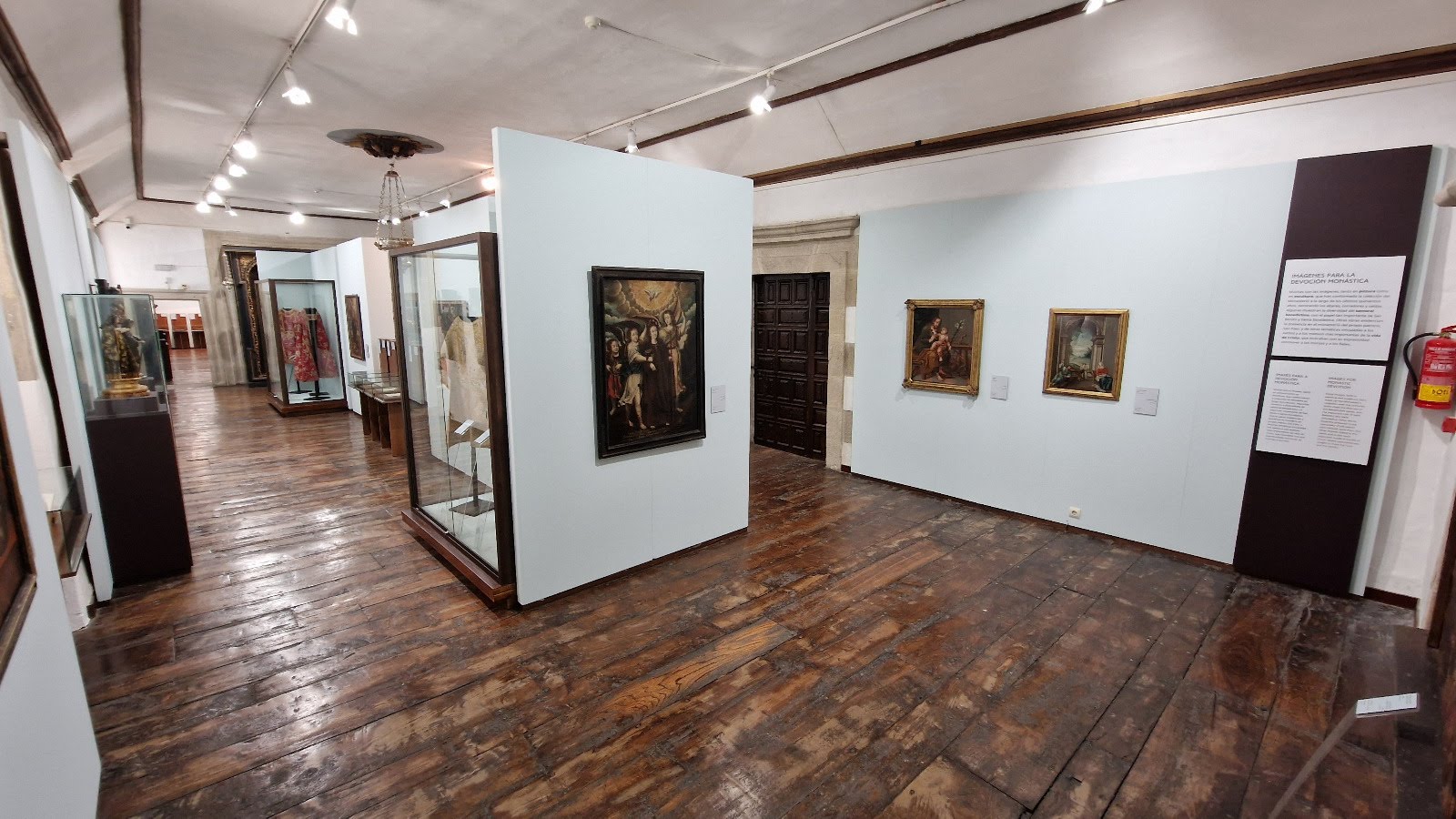
Currently, the monastery’s church provides access to the Museum of Religious Art. The permanent exhibition contains sections devoted to:
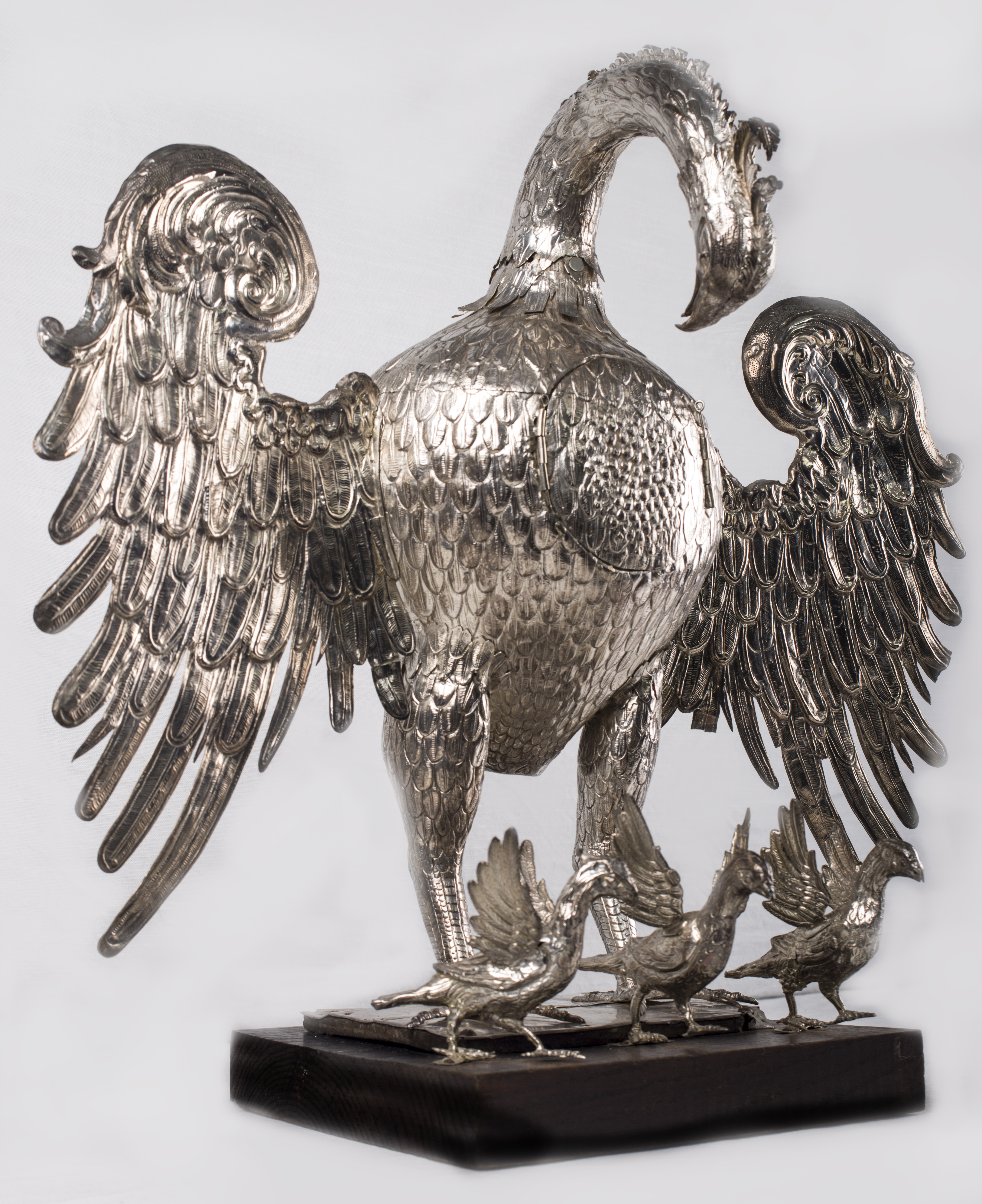
- gold and silverware, with pieces ranging from the 15th to the 20th Centuries;
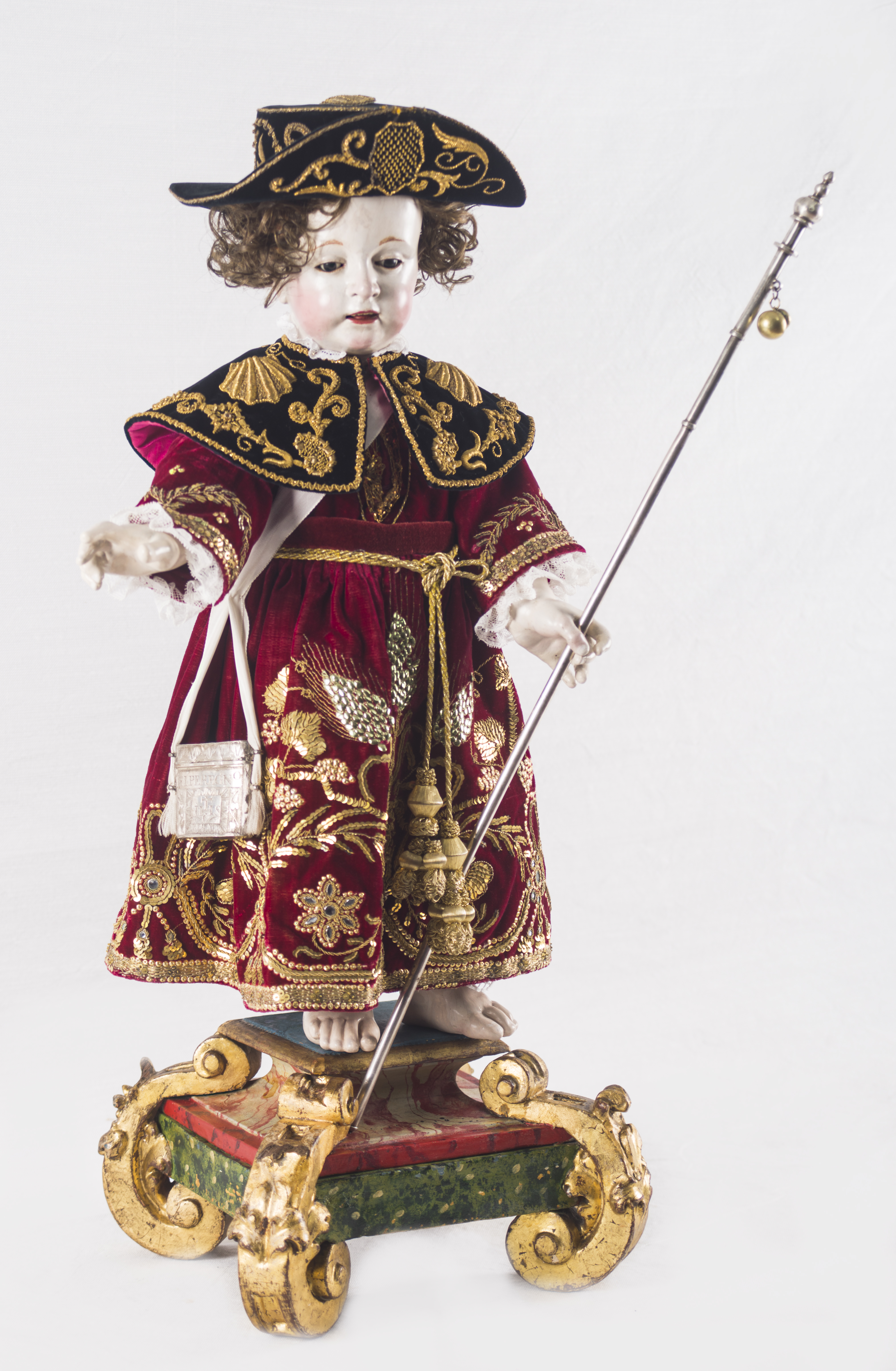
- sculpture, boasting both stone and wooden works. Outstanding among these images is a Romanesque crucified Christ, with characteristics that reveal the transition to Gothic, dating back to the 13th century, and an interesting exhibition of the different representations of Our Lady, given the particular interest shown by Benedictine nuns in spreading Marian devotion;
- diplomatic documents, which refer to monastic life and the history of the monastery. This section is completed by the documents contained in the archive, which safeguards documentation dating back to the 10th century:
- paintings, a variety of oils representing religious themes mainly relating to the Benedictine order;
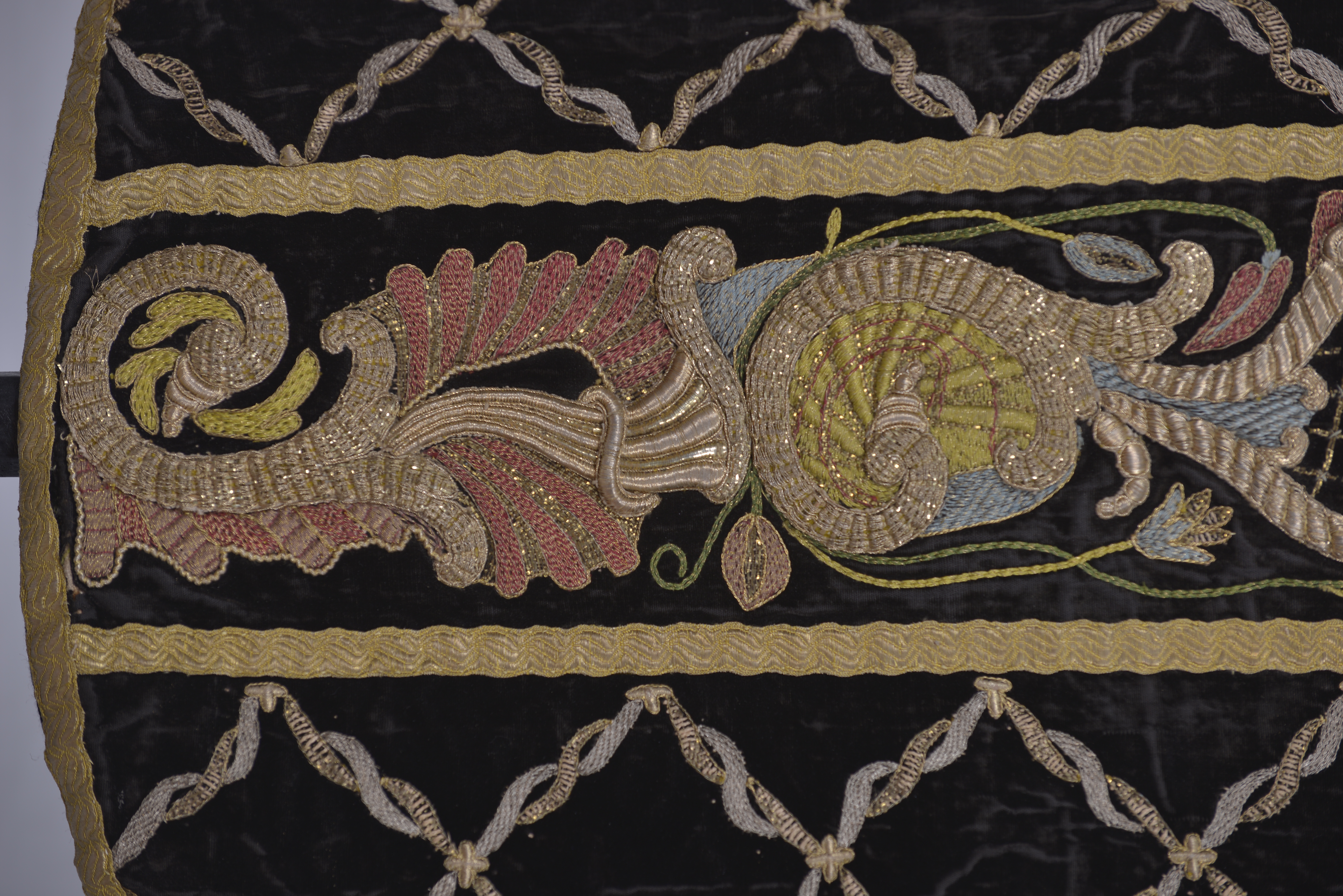
- liturgical ornaments, an interesting sample of chasubles, copes, stoles and dalmatics, mostly from the 17th and 18th centuries.
One of the museum’s most important pieces is an original altar of James the Apostle, made up of a marble altar with a semi-cylindrical base, known as the Antealtares Altar. Tradition would have it that this exceptional, humble-looking piece was the altar placed by James’ disciplines in his aedicule, or funeral chamber, in the mid-1st century. This remained as the main altar of the three basilicas which, with the passage of time, were built in honour of the Apostle, until 1105, when Bishop Xelmírez ordered a bigger one to be made. Indeed, it was Xelmírez himself who gave it to Antealtares’ Benedictine community, who had been the first to attend to James’ tomb.






https://www.museobenedictinasantealtares.com
Igrexa de San Paio de Antealtares, Vía Sacra 4
15704 , Santiago de Compostela
Tlf. 981 583 127
Fax 982 560 623
contacto@museobenedictinasantealtares.com
Igrexa de San Paio de Antealtares, Vía Sacra 4
15704 , Santiago de Compostela
Tlf. 981 583 127
Fax 982 560 623
contacto@museobenedictinasantealtares.com
Schedule
Monday to Saturday: from 10.30 a.m. to 1.30 p.m. and from 4 p.m. to 6 p.m.
Sundays: closed
The timetable may undergo changes on account of mass times
Fees
General admission: 3 €
Reduced: 1.5 € (students, teachers, members of religious orders, the unemployed and duly accredited pilgrims)
Group: 1.5 € (minimum 10 people)
Free: accompanied minors under 12, the disabled and ICOM members