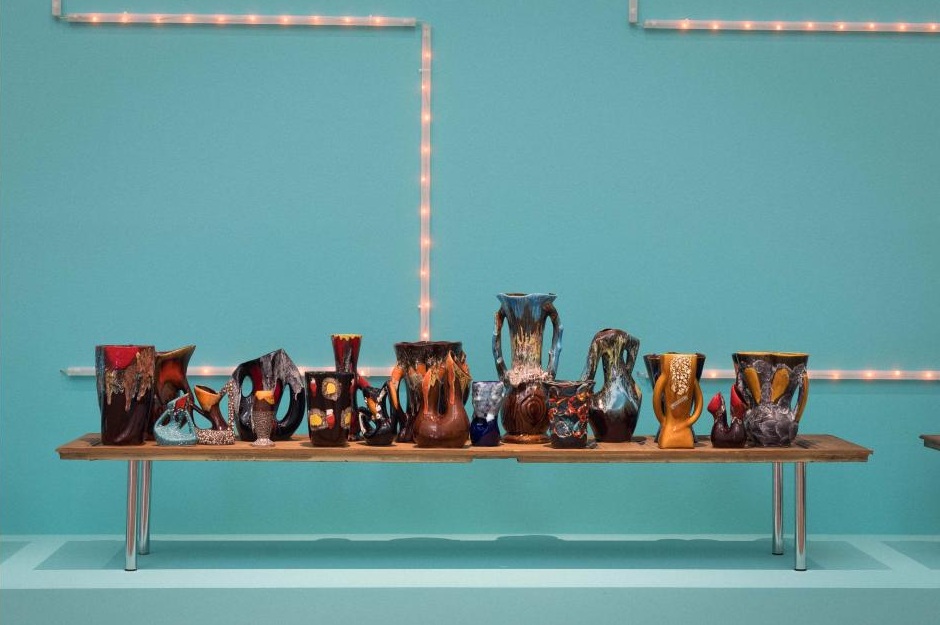
Carlos Pazos. Nicasso
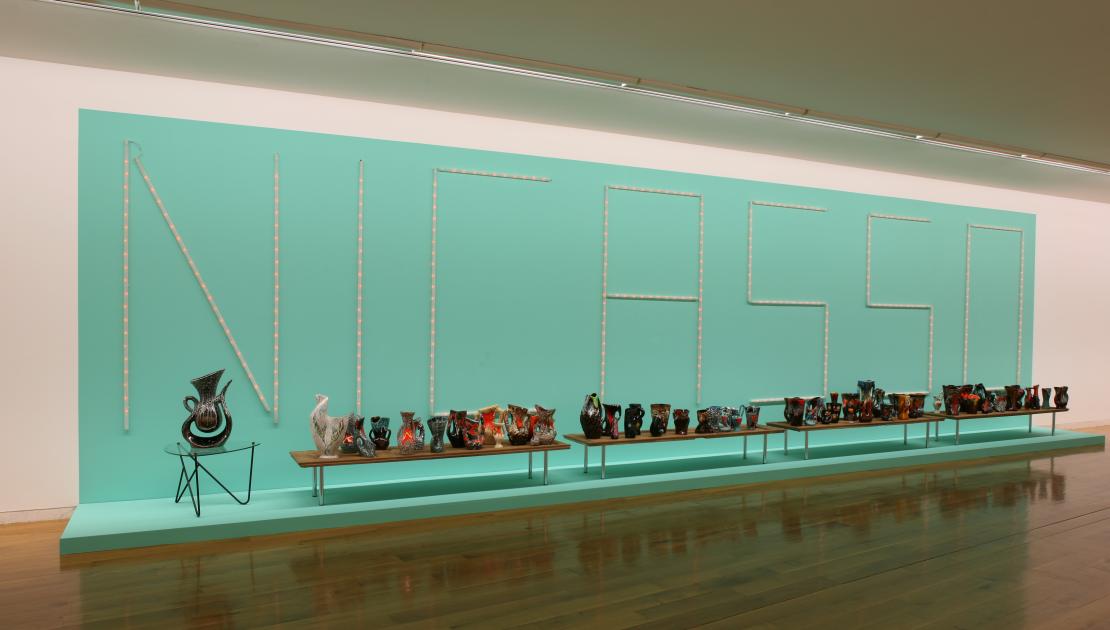
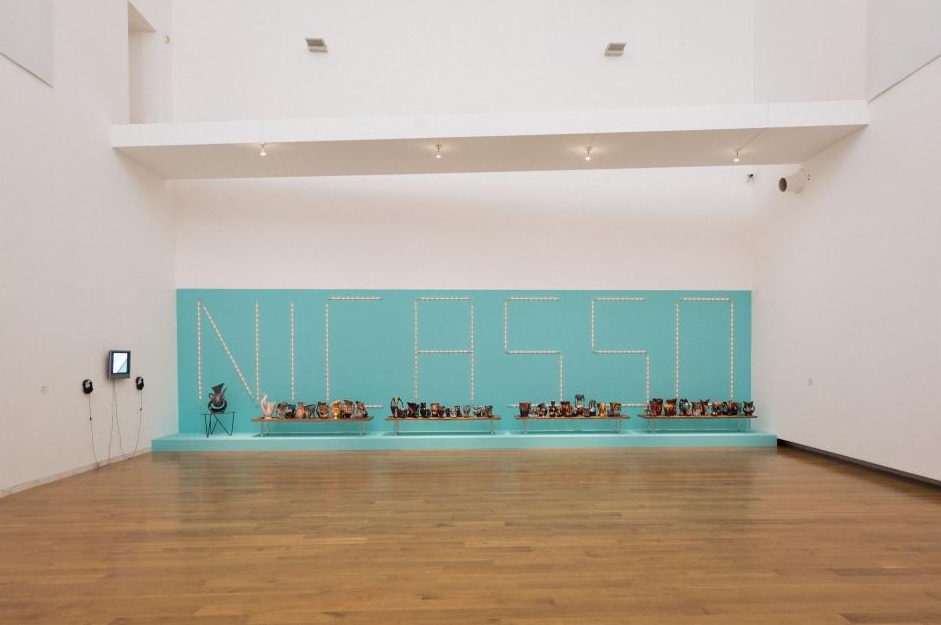
"Nicasso" is a work by Carlos Pazos (Barcelona, 1949) executed in 2006 and purchased shortly after by the CGAC to be included in "The Shadow of History", an exhibition focusing on the personal or secret archives and collections of different artists.
The piece operates as a critical and ironic examination of the various popular readings and interpretations of Picasso's work, taking as its starting point the famous Vallauris pottery. This town, residence of the Malaga-born artist from 1948 to 1955, became a hub of intense ceramic production.
The relationship between Picasso and Vallauris began while he was living in Golfe-Juan. There he met Suzanne and Georges Ramié, owners of the Madoura workshop, and he soon began to experiment in their studio. Shortly after, he moved with Françoise, his partner, and their son, Claude, to the villa named La Galloise, located on a nearby hill.
Until then, Vallauris was known for his fireproof ceramic cookware, which was functional but not particularly attractive. Picasso revolutionised this panorama: he signed an agreement with the Ramiés and started to produce all sorts of pieces, ranging from plates and jugs, which were conventional yet aggressively decorated with Mediterranean motifs (animals, fish, masks), to figures that resembled sculptures. His influence stimulated both other artists and local artisans, who started to experiment with novel colours and shapes with a decorative focus. These innovations attracted the public and the growing tourism of the French Riviera, transforming Vallauris into a dynamic ceramic hub, diverse and modern, but also marked by a touch of kitsch typical of the era.
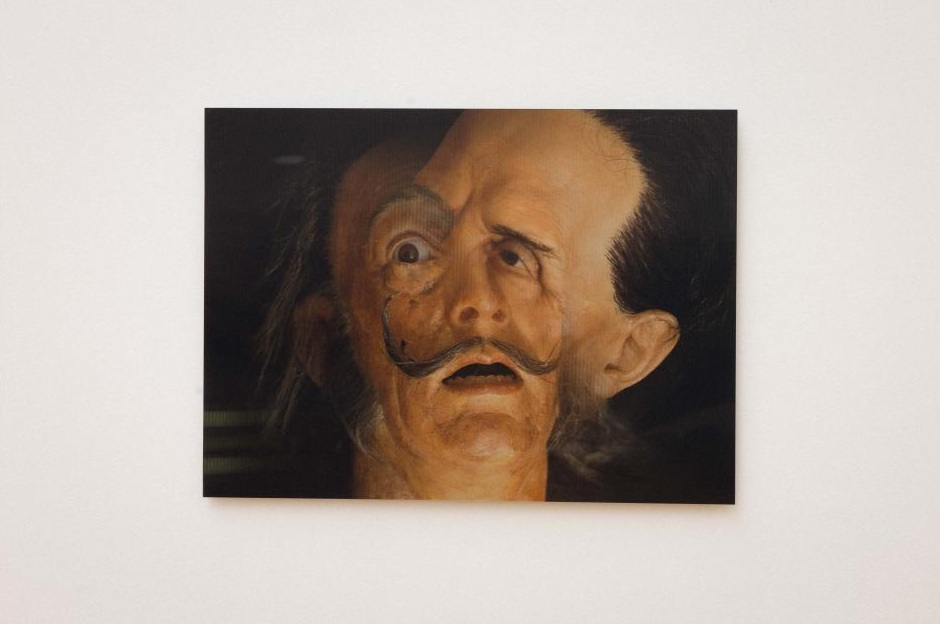
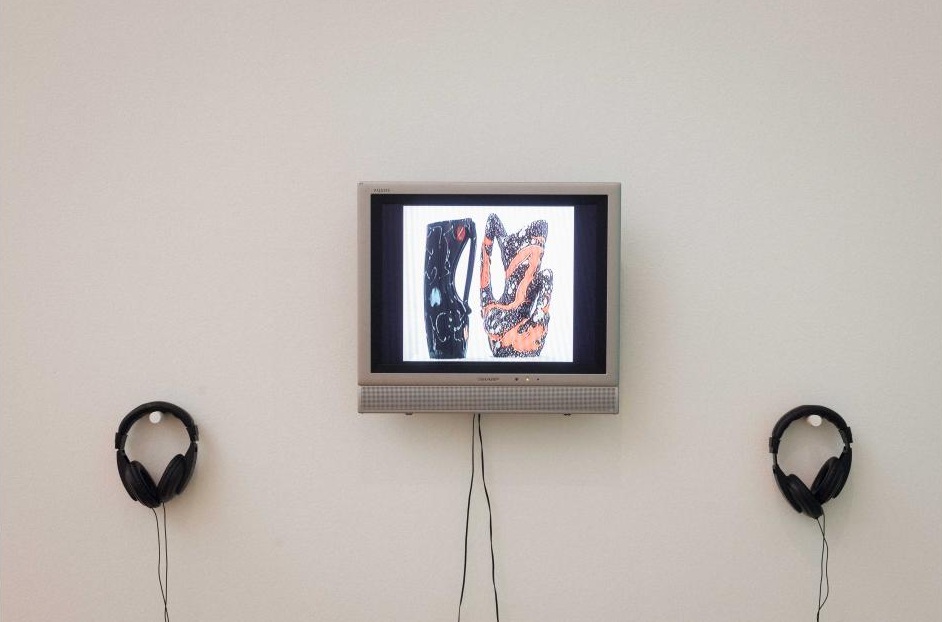
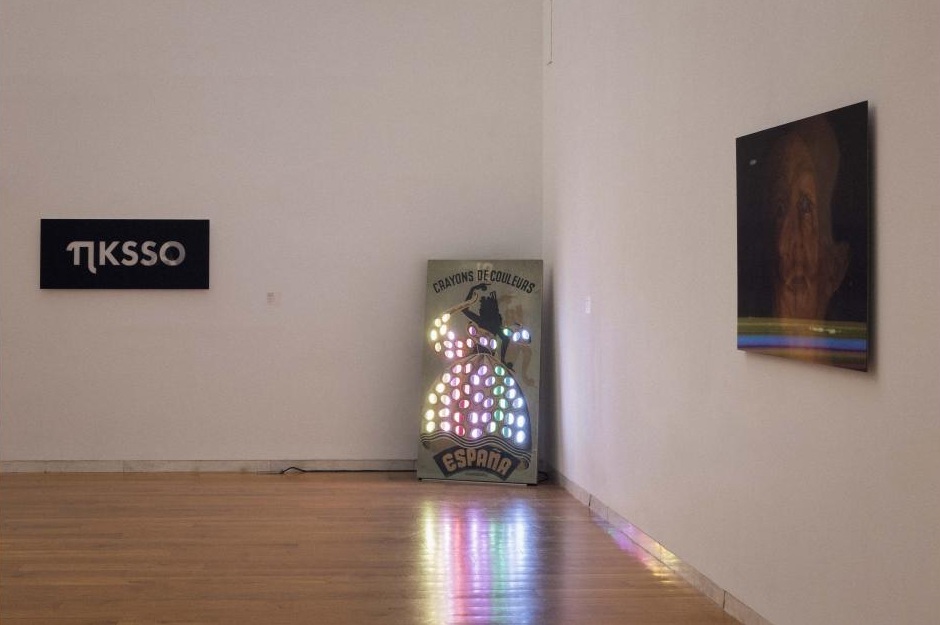
The exhibition has now recovered the piece "Nicasso", which features a collection of ceramics representative of the post-Picasso Vallauris. The piece is presented alongside a selection of related works, most notably "Nicasso, el film" ("Nicasso, the film"), in which Pazos assembles a collage of scenes drawn from commercial films produced between 1950 and 2000, in which Picasso is cited or evoked as a symbol of extravagance. Also included is a documentary video by Vacca on the first public presentation of the work in the Museu Abelló de Mollet del Vallès. On this occasion, the installation was displayed in a space resembling a shop window, visible to passers-by twenty-four hours a day, as though it were a shop.